
Pelvic floor physiotherapy before and after prostatectomy
Led by an expert physiotherapist with specialist training in male pelvic health, our pathway supports you both before and after prostate surgery — helping to lessen the severity of post-surgical incontinence and helping you recover function sooner.
The Best Care. Prostatectomy Pre and Postoperative Pelvic physiotherapy for patients
You're Not Alone
Prostate cancer is the most commonly diagnosed cancer in Australian men, and radical prostatectomy remains one of the most common treatments. Most men who have this surgery will deal with some degree of urinary incontinence afterwards, and many will also experience changes to erectile function while the surrounding nerves heal.
These side effects are a normal part of recovery — not a sign that something has gone wrong. But how you manage the months around surgery makes a real difference to how quickly, and how fully, you get your function back.
Facing a prostatectomy can feel overwhelming, and recovery doesn't have to be a guessing game. Instead of facing it alone with a list of exercises and no real sense of progress, you'll have a physiotherapist guiding you through a structured, three-stage pathway. You'll always know what stage you're at, what to expect next, and what you're working towards.

Prostatectomy Pathway: Pre-Surgery Prep, Post-Surgery Care, Long-Term Rebuild
Stage One — Pre-surgery Prep
The weeks before surgery are more valuable than most men realise. Research consistently shows that starting pelvic floor muscle training before a prostatectomy leads to faster return of continence afterwards.
When we typically see you:
An initial consultation roughly a month before your surgery date
A follow-up in the 1–2 weeks leading into surgery
In this stage, we focus on:
Learning to correctly identify and activate your pelvic floor muscles, using real-time feedback so you know you're doing it right
Building baseline strength and endurance before surgery
Understanding what to expect in hospital and in the first weeks home
Setting a realistic, personalised recovery timeline
You'll leave this stage with clear visual confirmation you're doing your pelvic floor exercises correctly, a personalised plan to carry into surgery, and a realistic picture of what post-op recovery will involve.


Stage Two- Post-Surgery Care
Once your catheter is removed, this stage is about rebuilding control safely and progressively. Your body needs time to heal, but early, gentle rehabilitation is key to regaining bladder control, supporting bowel function, and preventing compensation patterns.
When we typically see you:
7–10 days after your catheter is removed
Again around 4 weeks post-operatively, unless your physiotherapist recommends otherwise
In this stage, we focus on:
Re-establishing pelvic floor muscle control from scratch, in a way that avoids straining healing tissue
Practical strategies for managing leakage day-to-day — pad use, timing, and confidence in social and work settings
Bladder retraining if urgency or frequency is an issue
Scar and tissue management
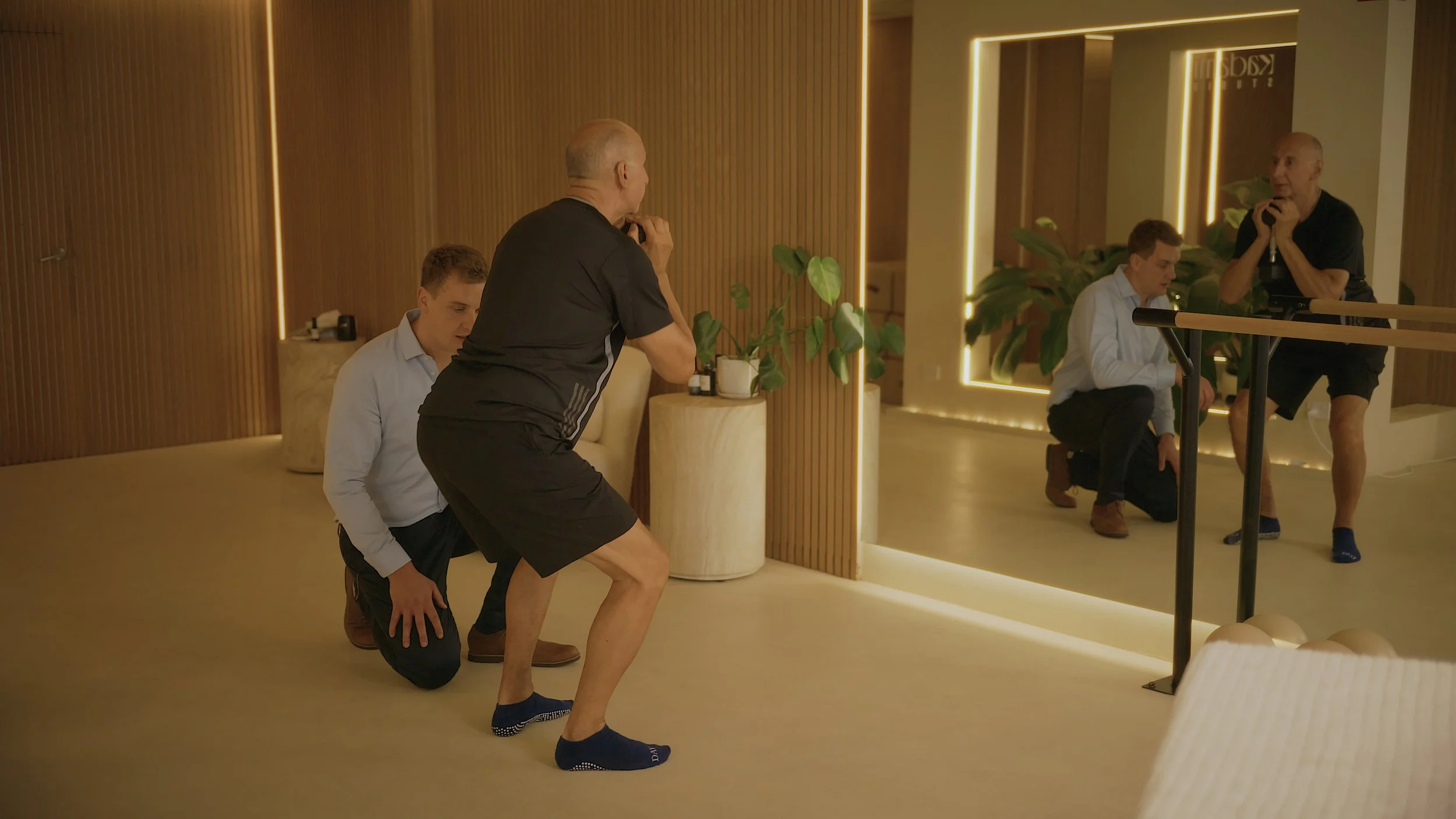
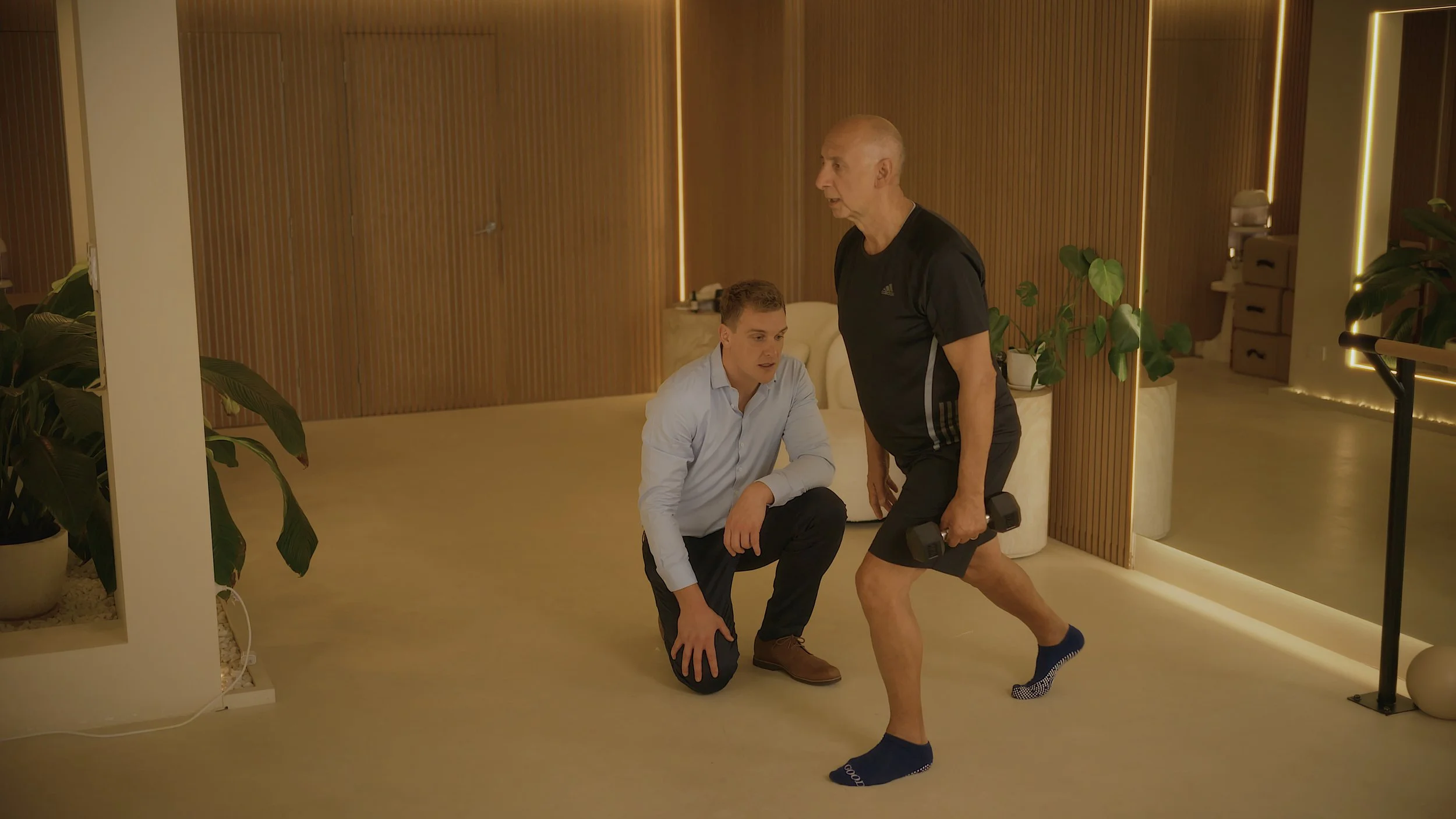
Gradual, safe reintroduction of movement, lifting, and exercise
This is usually the stage where progress feels the least linear — which is exactly why having a clear plan, rather than a generic handout, makes the biggest difference.

Stage Three — Long-Term Recovery
Once healing is well underway, the focus shifts to rebuilding strength, endurance, and control — so you can return to exercise, work, and daily life without fear of leakage. Alongside your medical team, we also support erectile function, including guidance on penile rehabilitation and further pelvic floor assessment.
In this stage, we focus on:
Fine-tuning pelvic floor strength and endurance for full continence, including under load (exercise, sport, heavy lifting)
Addressing erectile dysfunction, where nerve-sparing recovery is often still progressing at this point
Returning to sport, the gym, or physical work with confidence
Ongoing review, so nothing lingers longer than it needs to
Every man's timeline through these three stages looks a little different, and that's expected. What stays consistent is knowing exactly where you are in the pathway and what comes next.

A Plan That Makes Sense
One of the few male pelvic floor physiotherapists in Sydney, trained in both musculoskeletal physiotherapy and male pelvic health.
Tom is one of Sydney's few male physiotherapists with specialist training in both musculoskeletal physiotherapy and male pelvic health — a combination that matters here, since prostatectomy recovery often involves more than just the pelvic floor.
Every stage starts with a thorough assessment and a clear diagnosis, so your plan is built around your actual recovery — not a one-size-fits-all program. We work alongside your urologist throughout, so everyone involved in your care is on the same page.
Back to What You Love
Whether that's playing with your grandkids without worrying about a leak, getting back into the gym, or feeling like yourself again in the bedroom — the goal of this pathway is function, not just symptom management.
Men who start pelvic floor training before surgery, and stay engaged through recovery, consistently get back to these things faster. The pathway exists to make sure you're never wondering what to do next.

Get In Touch
Book a Men's Health Physiotherapy Appointment in Sydney
If you're ready to book, use the link below. If you'd prefer to ask a question first, or you're not sure whether physiotherapy is right for your situation, feel free to get in touch - we're happy to help you figure out the best path forward.
Atlas Physiotherapy is located in Leichhardt, easily accessible from across Sydney's Inner West, including Annandale, Balmain, Petersham, Stanmore, Newtown, and Glebe.
If you’d like to ask a question, or if you’re unsure which service is right for you, feel free to reach out.