
Atlas Physiotherapy provides musculoskeletal physiotherapy for adults of all ages at our Leichhardt clinic on Parramatta Road. Whether you're managing an acute injury, a chronic pain condition, or preparing for or recovering from surgery, care at Atlas is practical, evidence-based, and focused on long-term improvement - not just short-term relief.
Musculoskeletal Physiotherapy in Leichhardt, Sydney
Reasons why people see us
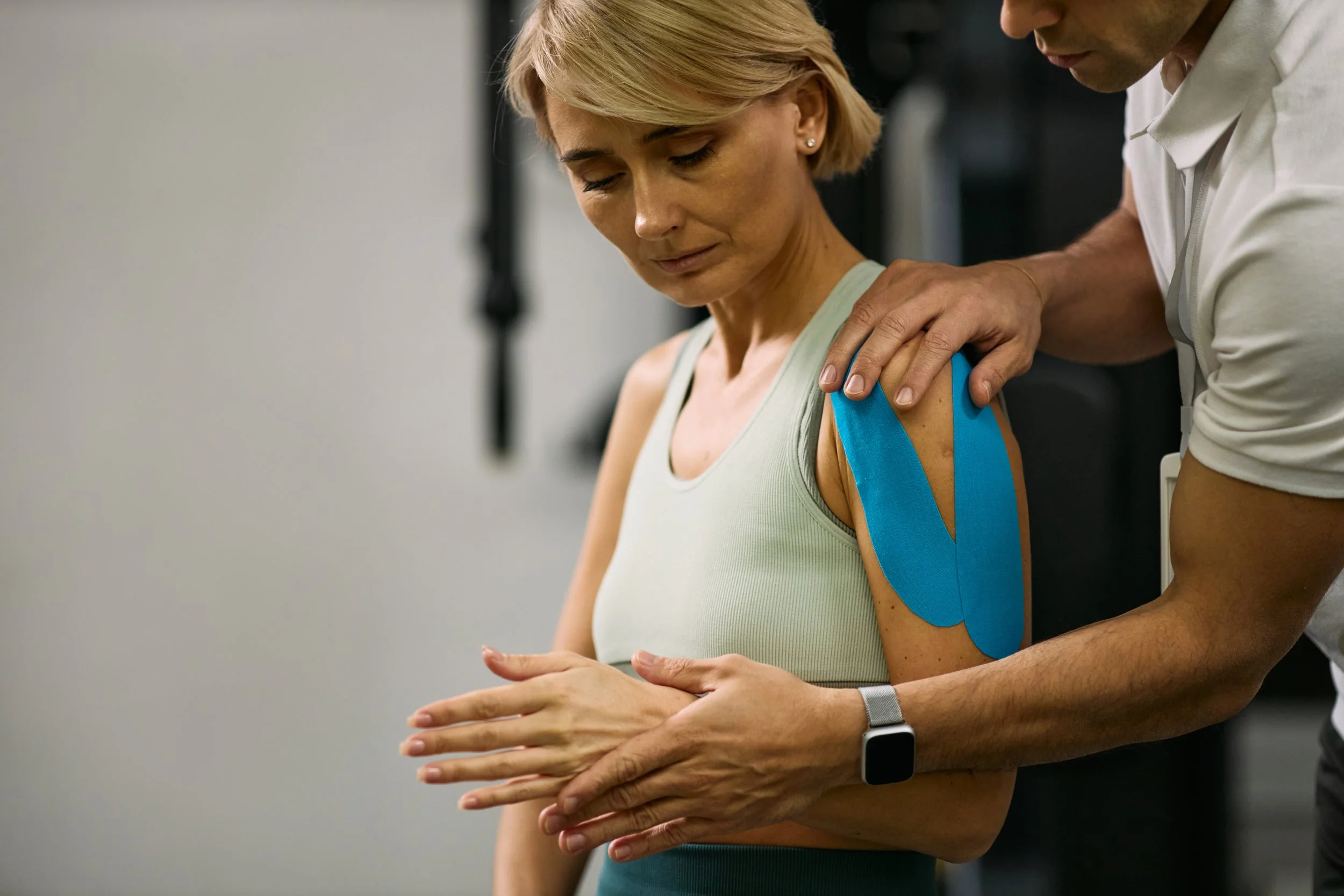
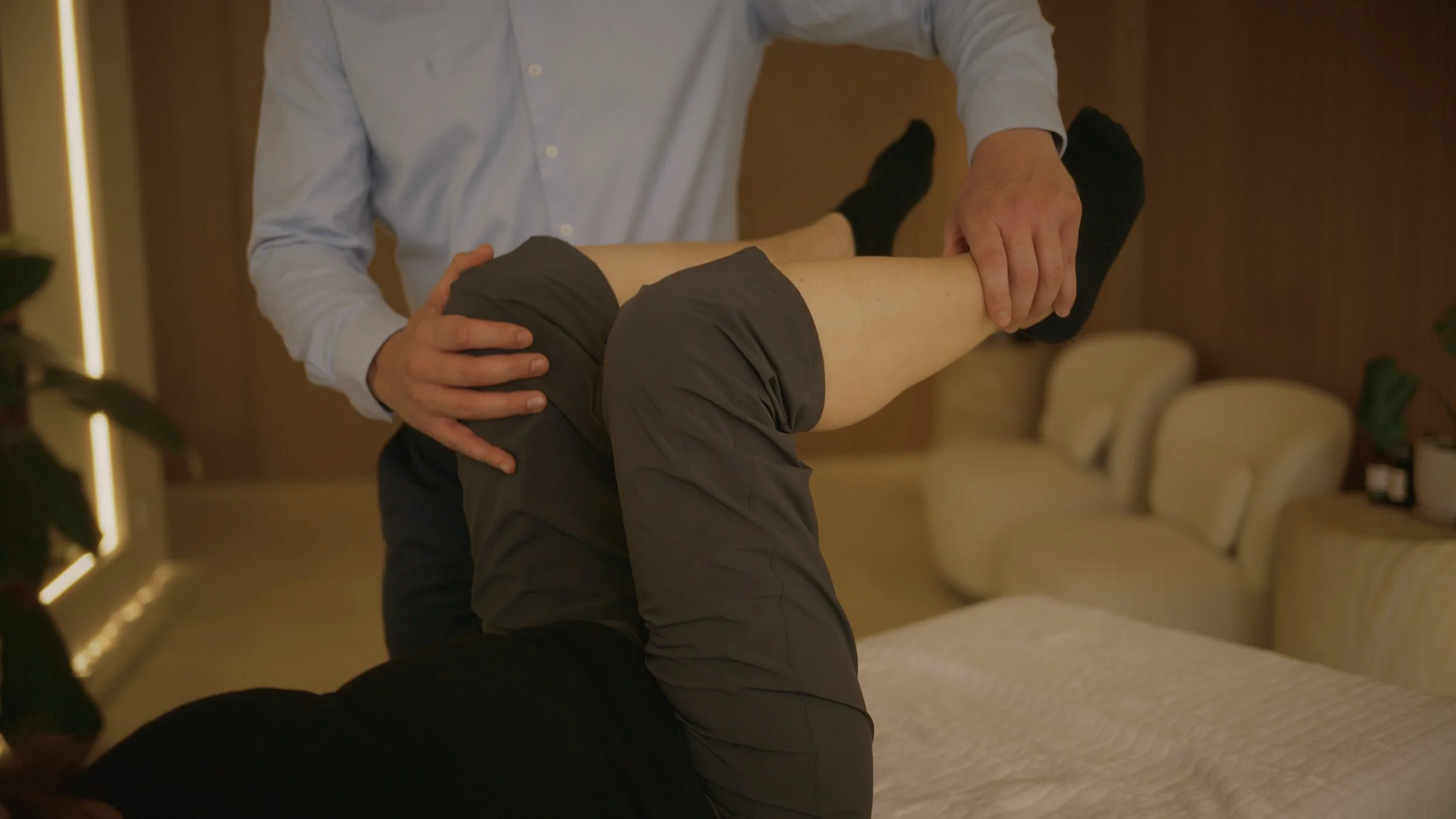
Manual therapy and structured exercise rehabilitation are the foundations of effective musculoskeletal physiotherapy. At Atlas in Leichhardt, hands-on treatment is always combined with an active, progressive exercise program to ensure lasting recovery.
Manual therapy and exercise-based rehabilitation are often used together to reduce pain, restore movement, and build long-term resilience. Hands-on techniques can help settle symptoms, improve joint and soft-tissue mobility, and allow more comfortable movement, while exercise-based rehab focuses on restoring strength, control, and load tolerance. Used together, they support both short-term symptom relief and long-term recovery rather than relying on passive treatment alone.
Manual Therapy & Exercise Rehabilitation - Sydney Physio
Running Injury Physiotherapy & Gait Analysis - Sydney
If you're a runner based in Sydney's Inner West - from Leichhardt, Annandale, Balmain, or beyond - Atlas Physiotherapy offers detailed running assessments and evidence-based injury management to get you back training safely.
Most running injuries are not caused by a single incident but by a mismatch between your body’s capacity and the demands of running. Injuries often develop when training volume, intensity, or terrain increases faster than tissues can tolerate. Running technique, stride mechanics, footwear, recovery habits, and individual resilience all influence injury risk.
Common running-related injuries
Achilles tendinopathy
Anterior (front) knee pain
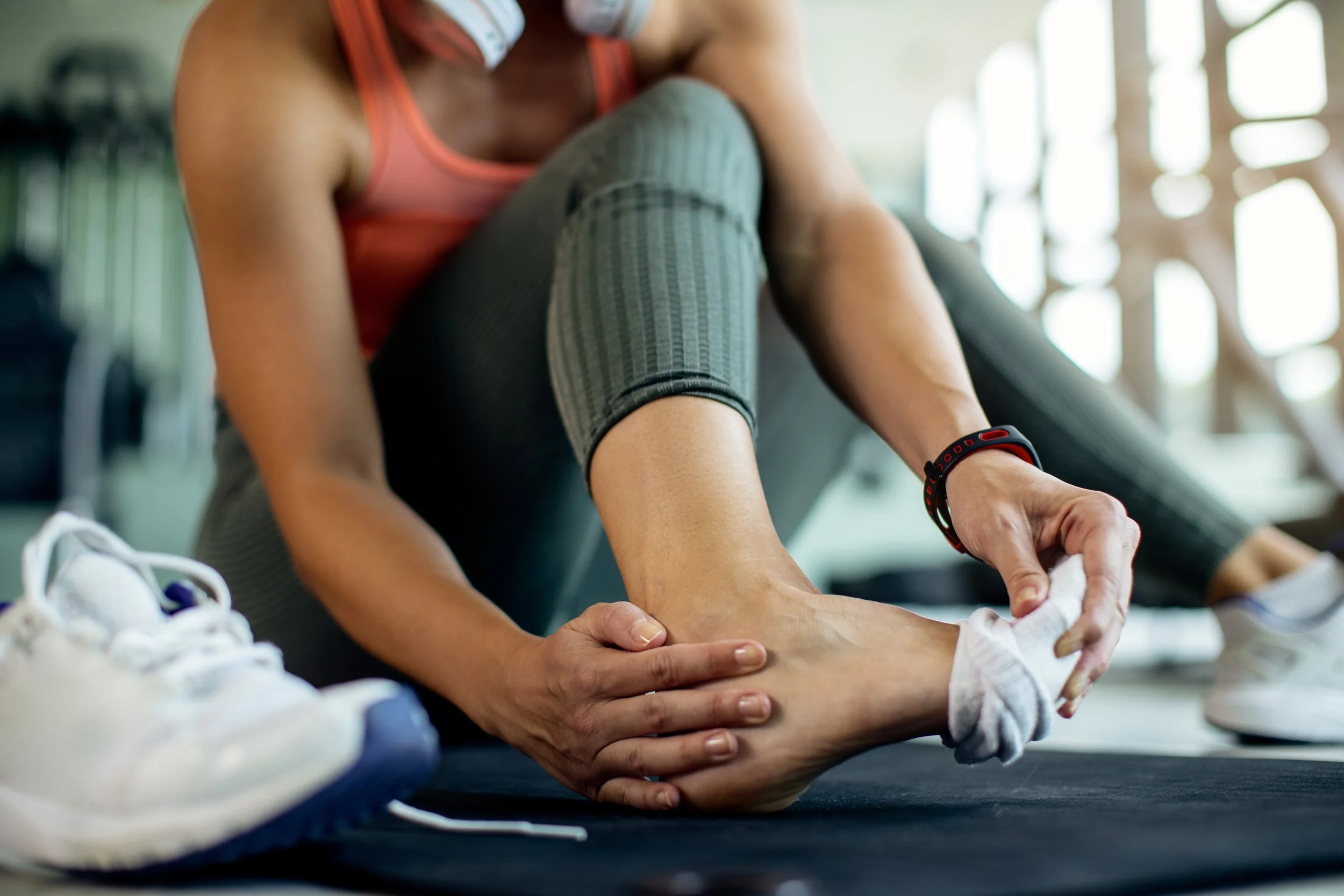
Plantar heel pain
Shin splints
Calf, hamstring, or quadriceps strains
Back, hip or knee pain
Stress reactions or stress fractures
How Atlas Physiotherapy Can Help
Detailed assessment of training type, frequency, volume, and recent changes
Strength, mobility, control, and impact tolerance testing of the spine and lower limb
Running or gait analysis to identify technique-related factors (e.g., overstriding, cadence issues, foot contact)
Education on how your body moves and why certain patterns contribute to injury
Progressive, tailored strengthening programs to build tissue capacity and load tolerance
Technique refinement and modification of training variables to reduce recurrence and improve performance
Keeping you training safely while you recover from the injury
Neck pain and headaches can vary enormously in what is the source of the symptoms and how they might present. They are commonly linked to how the neck, shoulders, and upper back are being loaded day to day, or with a specific one-off activity or movement.
Poor posture alone is rarely the full story - more often, symptoms develop when the neck is repeatedly overloaded or held in sustained positions they don’t have the capacity to tolerate. This can be a gradual build up of stiffness and pain, or with an immediate onset of symptoms. Cervicogenic headaches (headaches referred from the neck) often start in the neck or base of the skull and refer up into the head.
Common Signs and Symptoms
Local neck pain and restricted movement
Pain radiating into shoulders, upper back, or arms
Headaches starting at the base of the skull and moving forward (cervicogenic headaches)
Muscle tension or tightness in the neck, shoulders, or upper back
Occasional dizziness or visual disturbances associated with neck movement and/or migraines
Neck Pain & Cervicogenic Headache Physiotherapy — Sydney

How Atlas Physiotherapy Can Help
Tom has many years experience and completed extensive training in assessing and treating neck pain and headaches. Tom uses manual therapy and a tailored exercises plan to improve pain, restore movement and make your body more resilient so that you minimise the chance of this injury happening again.
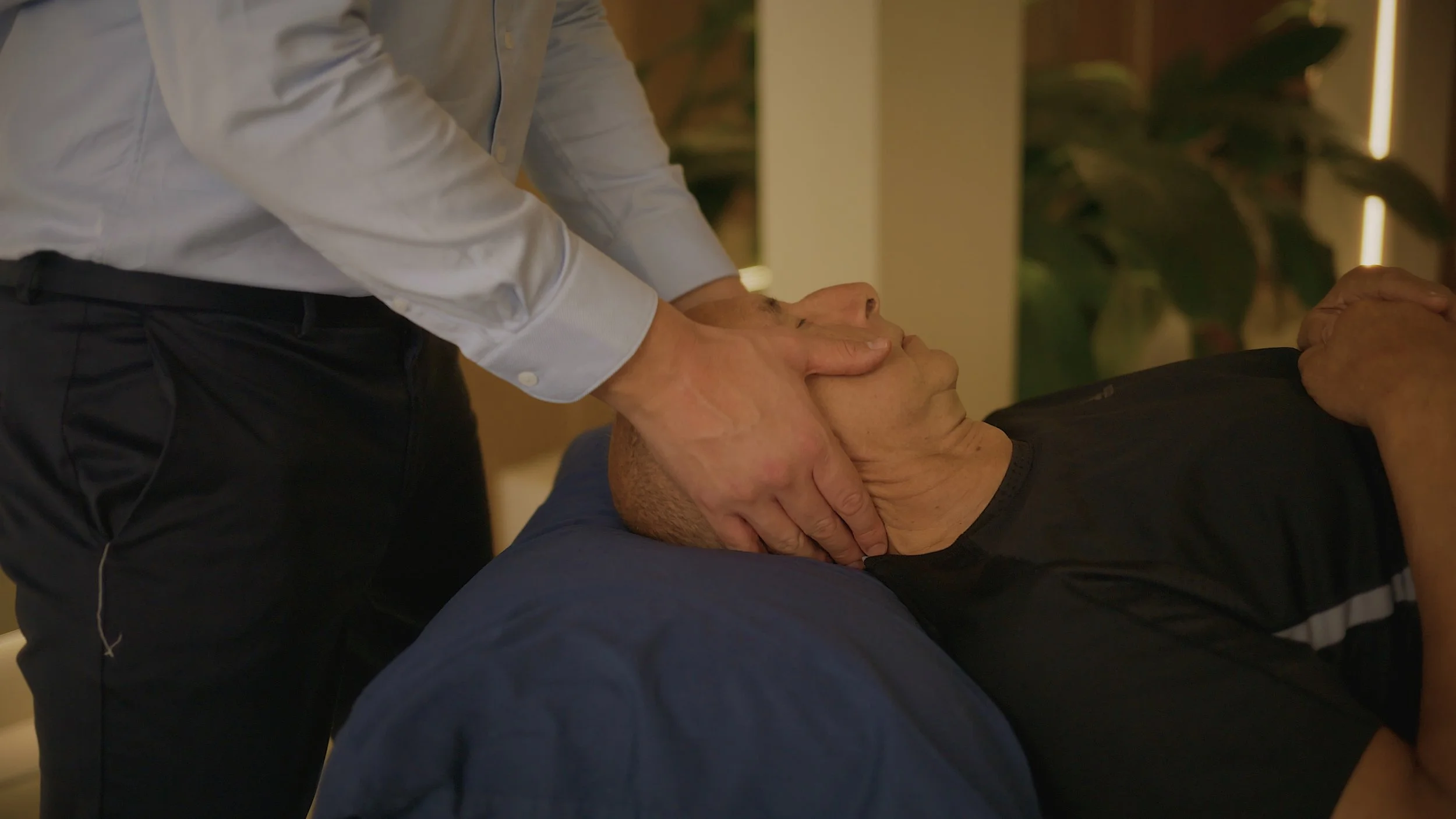
Low Back Pain Physiotherapy
Low back pain is one of the most common reasons Australians seek physiotherapy. At Atlas in Leichhardt, we use a thorough assessment to identify the contributing factors and create a personalised rehabilitation plan - so you understand your pain and have a clear path forward.
Low back pain is one of the most common musculoskeletal issues and can be extremely disabling. It’s rarely caused by a single structure. In most cases, pain develops when the demands placed on the spine exceed its current capacity to tolerate load. Prolonged sitting, lifting, sudden increases in activity, poor movement control, stress, or previous injury can all contribute. While low back pain can be frustrating and limiting, it is usually very responsive to the right education, hands-on treatment, movement, and exercise-based physiotherapy.
Common Signs and Symptoms
Localised pain or stiffness in the lower back
Pain that may refer into the buttocks or down the leg(s)
Reduced ability to bend, lift, or twist comfortably
Pain with prolonged sitting, standing, or activity
Morning stiffness or pain after rest
Episodes of flare-ups with activity or loading
Feeling of weakness, instability, or loss of confidence with movement

How Atlas Physiotherapy Can Help
Detailed history of symptoms, lifestyle, work, and physical demands
Assessment of spinal mobility, nerve function, strength, movement control, and load tolerance
Identification of aggravating movements, postures, and training habits
Education to improve understanding of pain, reduce fear, and guide safe movement
Individualised strengthening and conditioning program to build spinal and hip capacity
Hands-on treatment where appropriate to reduce pain and improve mobility
Gradual return-to-activity guidance to reduce recurrence and improve long-term resilience
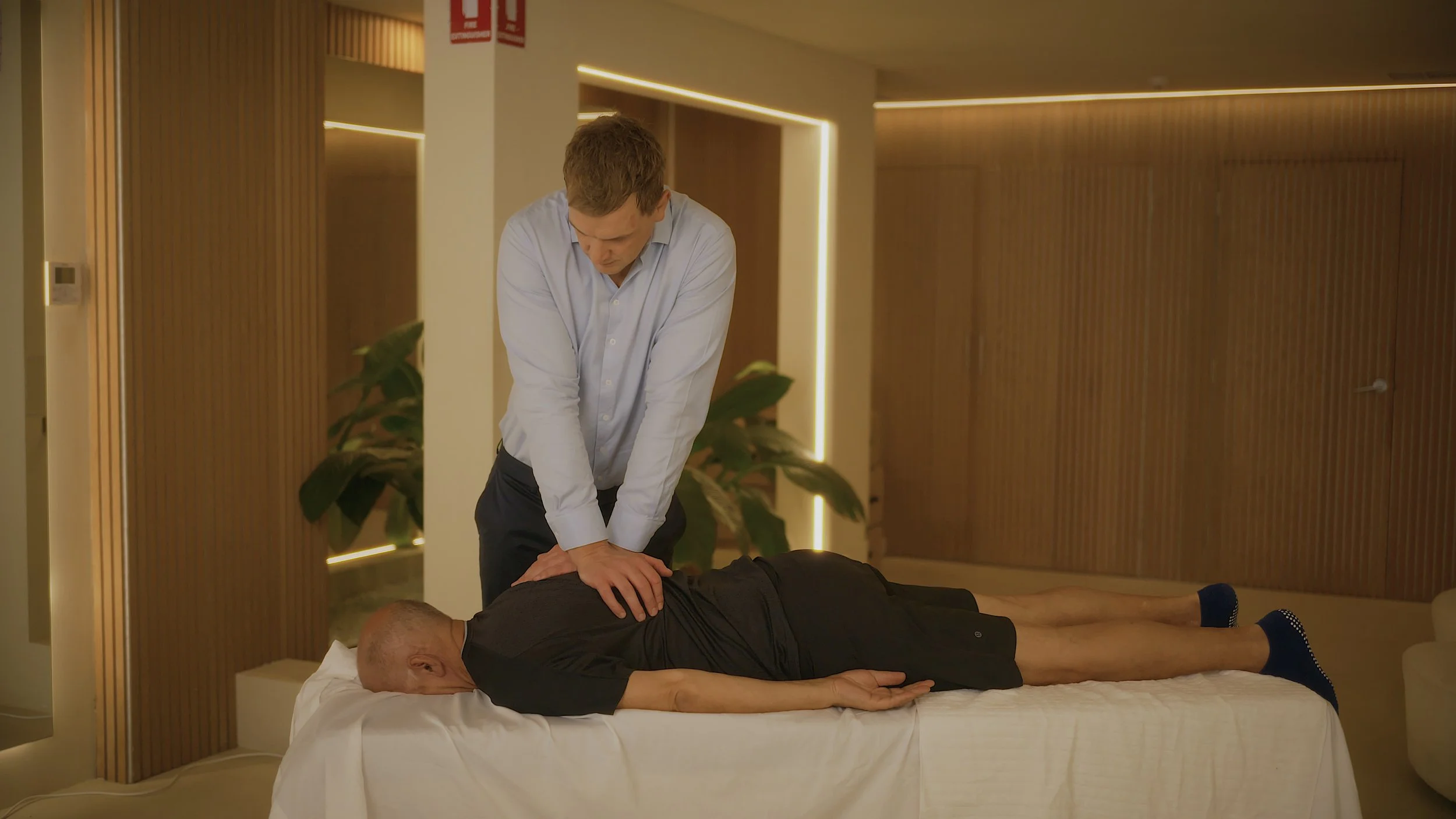
Nerve Pain & Neurodynamics Physiotherapy - Sciatica & Referred Pain, Sydney
Neurodynamics refers to how nerves move, slide, and tolerate load as the body moves. Healthy nerves are designed to glide smoothly through surrounding tissues and adapt to stretch and compression without producing pain. Symptoms can arise when nerves become sensitised or restricted, often due to prolonged postures, repetitive movements, injury, inflammation, or reduced movement variability. Neurodynamic-related pain is common and does not necessarily mean nerve damage, but rather that the nerve is not coping well with current demands.
Common Signs and Symptoms
Aching pains, or sharp, burning, tingling, or electric-type pain
Pins and needles or numbness in the arms or legs
Pain can be localised in the neck or low back, or refer down the arms of legs
Sensations of tightness or pulling, pain
Symptoms that fluctuate with posture, activity, or load

How Atlas physiotherapy Can Help
Detailed assessment of symptom behaviour, aggravating movements, and daily loads
Neurodynamic testing to assess nerve sensitivity, mobility, and tolerance to movement
Evaluation of contributing factors such as posture, spinal movement, strength, and control
Education to explain nerve-related pain and reduce fear around symptoms
Graded nerve mobility and loading exercises tailored to your tolerance
Manual therapy and exercises to address surrounding joint or soft tissue restrictions affecting nerve movement
Progressive return to normal movement, work, and exercise with improved nerve resilience
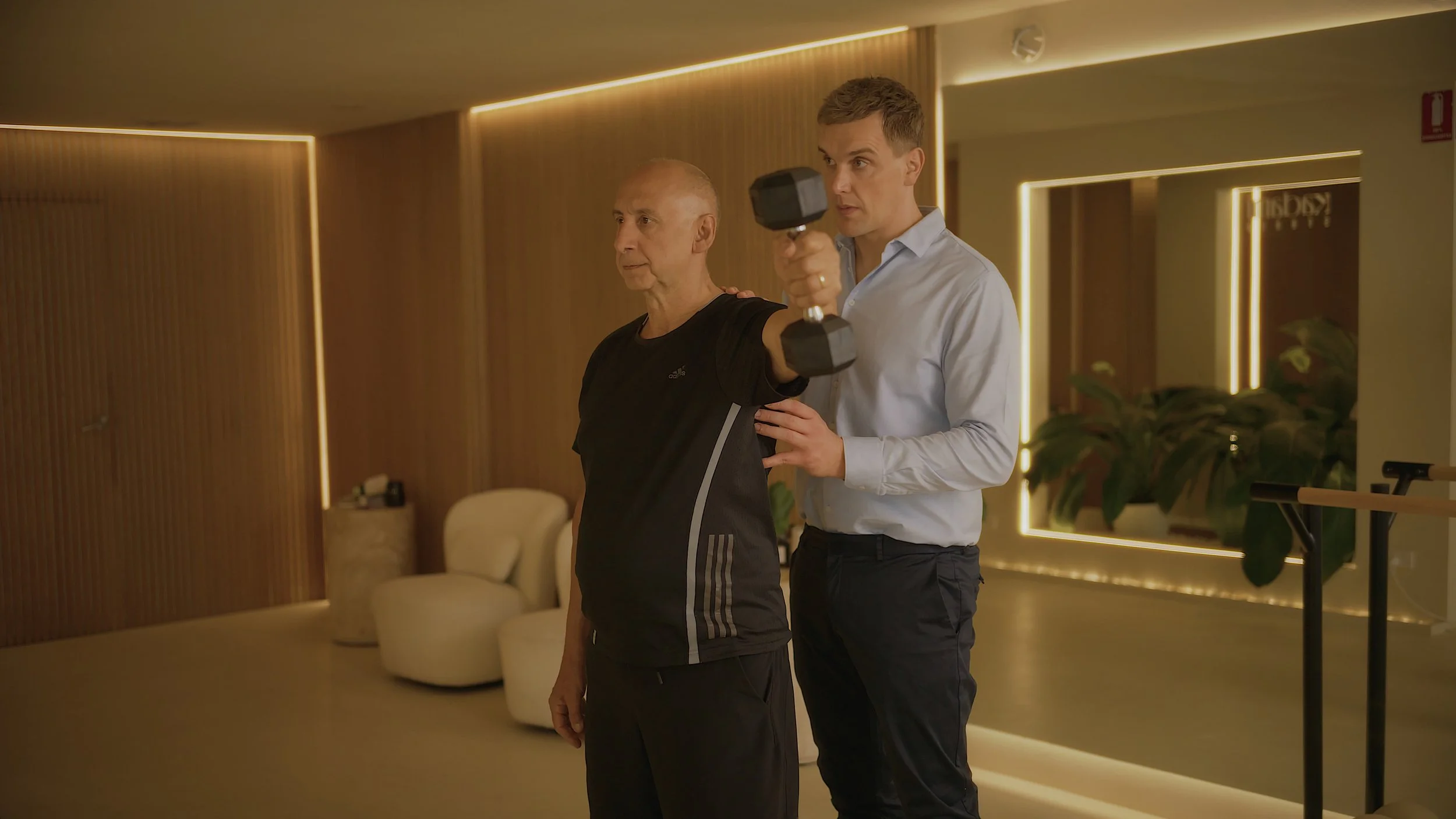
Dry Needling Physiotherapy
Dry needling is a physiotherapy technique used to help reduce pain, improve movement, and restore muscle function. It involves the use of fine, sterile needles inserted into tight or sensitive muscle areas (often called trigger points) to reduce muscle tension and improve the way the muscle and nervous system function. Dry needling is not a standalone treatment, but a tool that can be useful when pain or muscle guarding is limiting movement or delaying recovery.
Common Signs and Symptoms It May Help With
Local muscle tightness or knots
Persistent muscle pain or aching
Pain with movement or loading
Referred pain patterns from trigger points
Reduced range of motion
Muscle guarding following injury or overload
Pain limiting effective exercise or rehabilitation
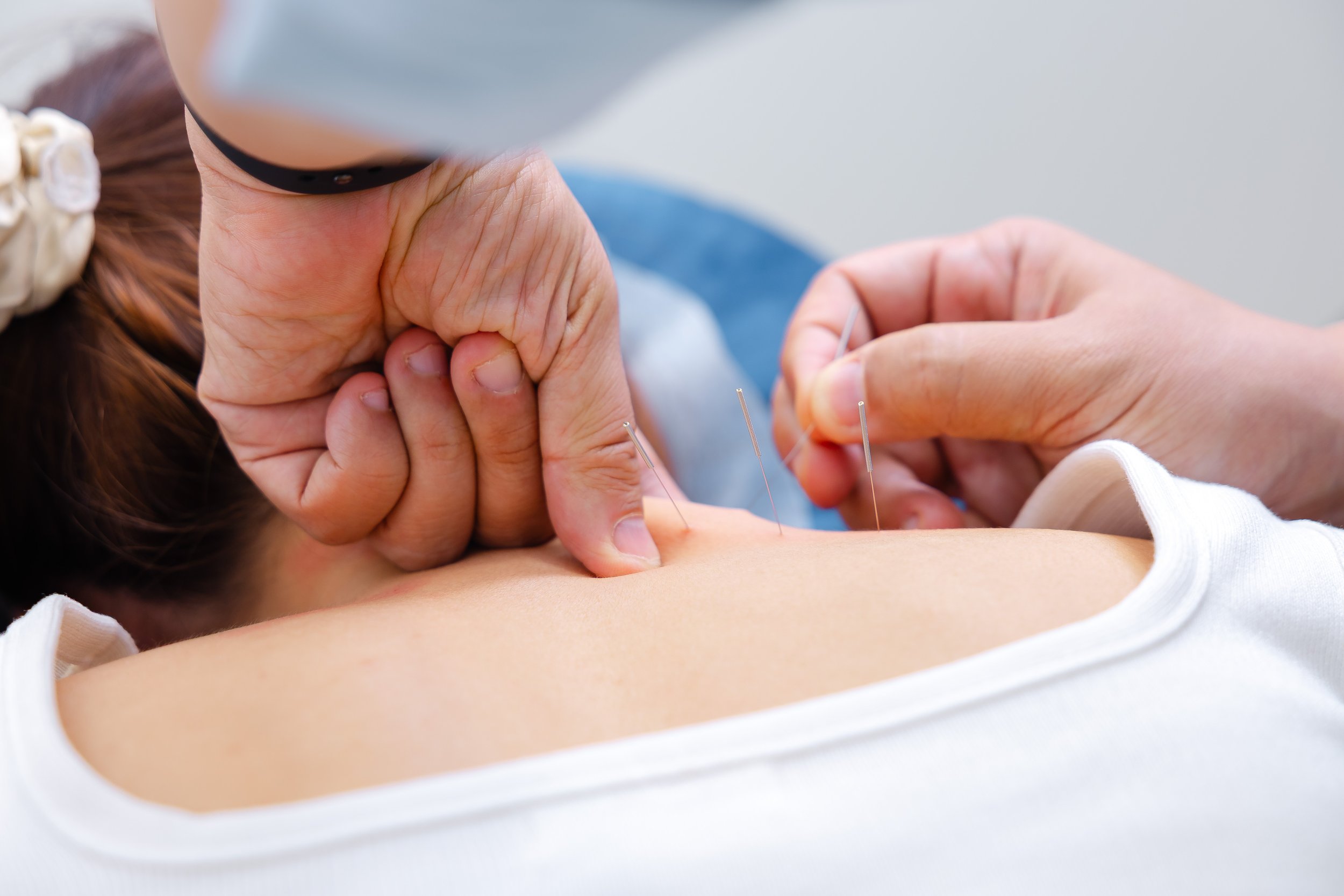
How Atlas Physiotherapy Can Help
Thorough assessment to determine whether dry needling is appropriate for your condition
Identification of overactive or sensitised muscles contributing to pain or movement restriction
Use of dry needling to reduce muscle tone and pain sensitivity where indicated
Integration with active treatment such as strengthening, mobility, and movement retraining
Focus on addressing the underlying causes of pain, not just short-term symptom relief

Post-Operative Physiotherapy & Surgical Rehabilitation - Sydney
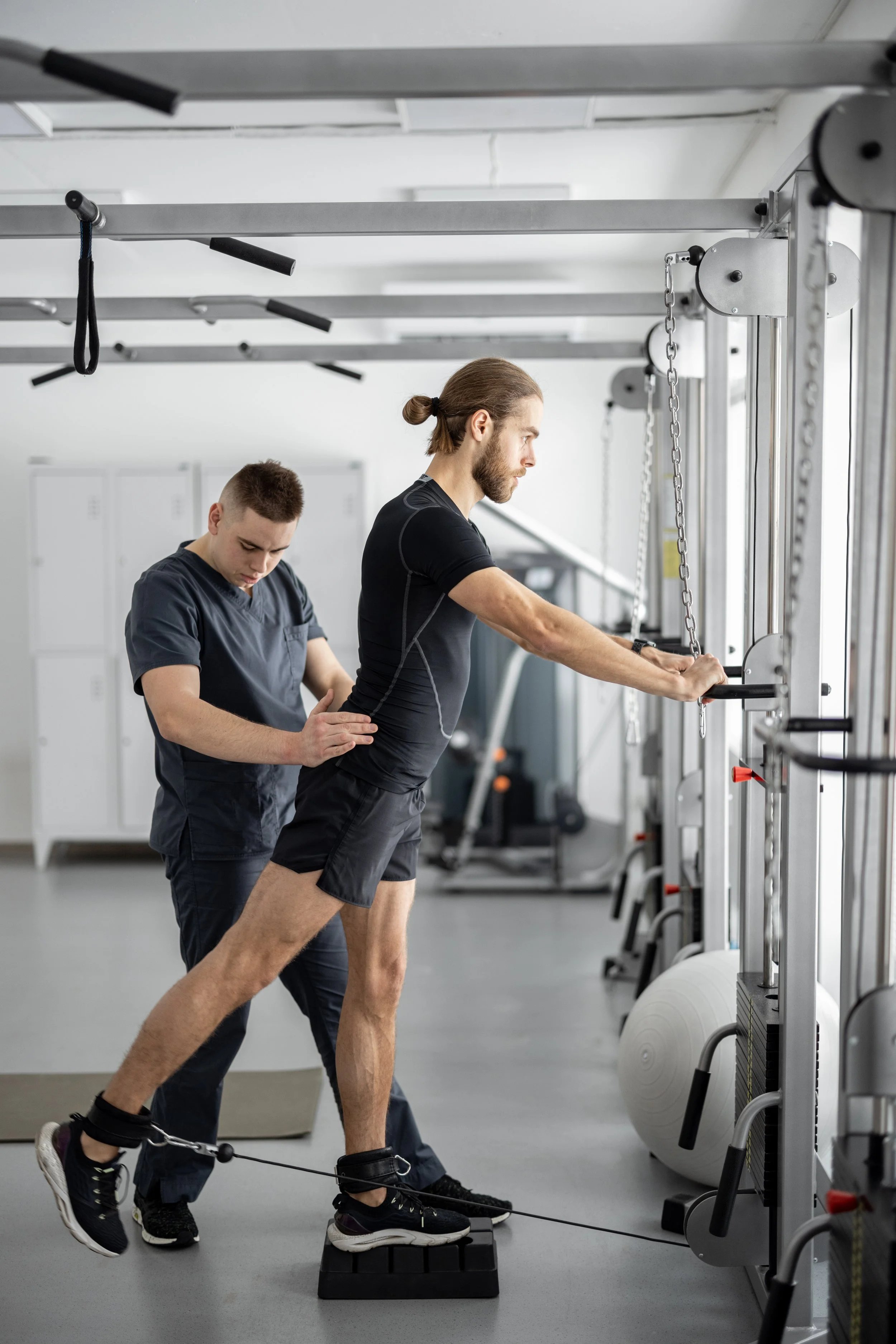
Post-operative physiotherapy plays a key role in recovery following surgery by helping the body regain movement, strength, and confidence in a safe and structured way. Surgery places stress on muscles, joints, and surrounding tissues, and without appropriate rehabilitation this can lead to stiffness, weakness, or delayed return to activity. Physiotherapy supports healing while progressively restoring function and reducing the risk of long-term limitations or complications.
Common Signs and Symptoms After Surgery
Pain or stiffness around the surgical area
Reduced range of motion
Muscle weakness or deconditioning
Gait/walking restrictions
Swelling or altered movement patterns
Difficulty returning to daily activities, work, or exercise
Loss of confidence using the affected area
Fatigue or reduced overall physical capacity
How Atlas Physiotherapy Can Help
Detailed review of surgical procedure, precautions, and recovery goals
Assessment of movement, strength, swelling, and functional capacity
Early-stage exercises to promote mobility and circulation while protecting healing tissues
Progressive strengthening and functional rehabilitation as healing allows
Education around pacing, load management, and safe return to activity
Hands-on treatment where appropriate to manage pain and restore movement
Ongoing progression to support long-term recovery and prevent recurrence or compensatory issues
Clinical Pilates Physiotherapy
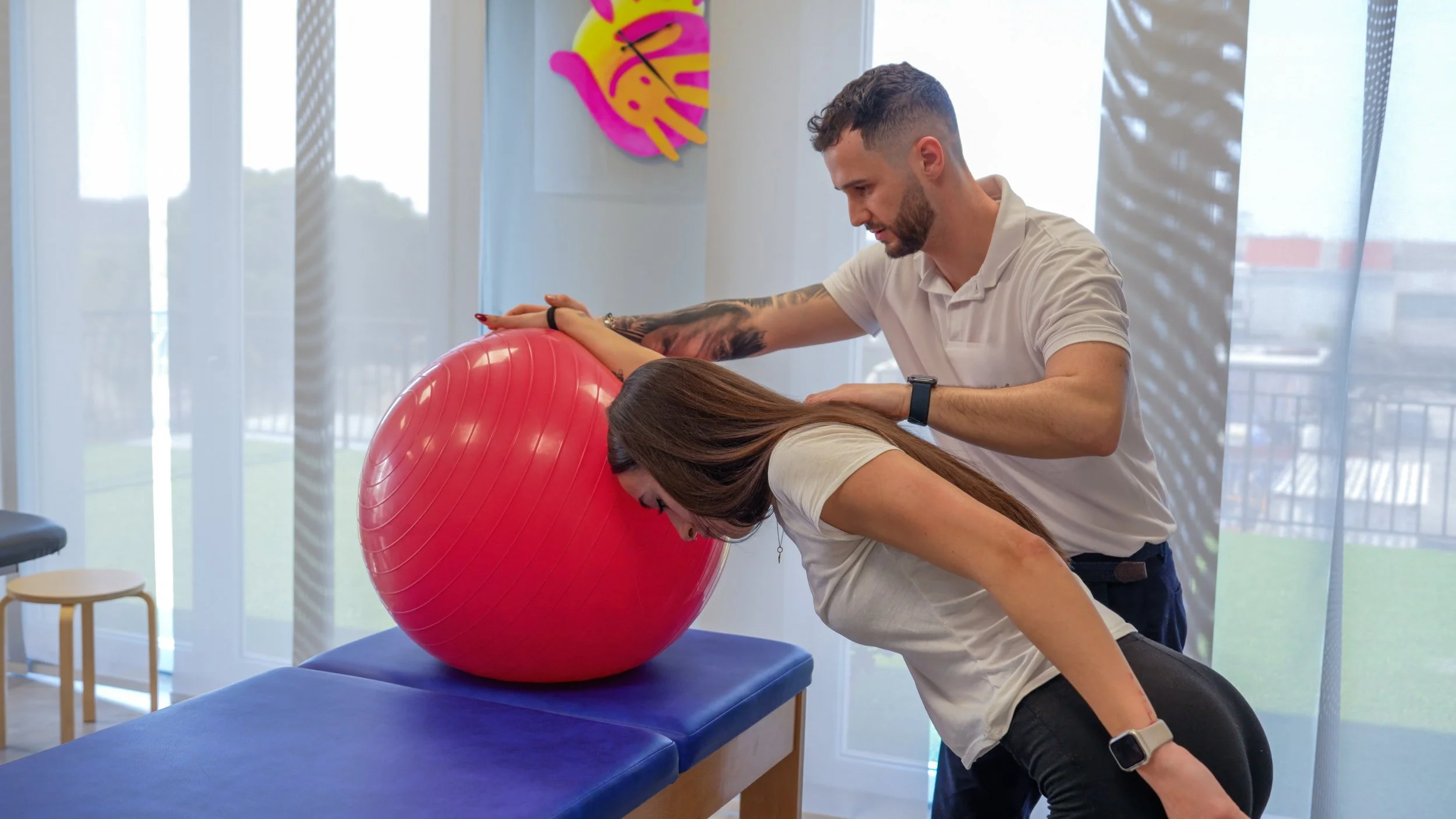
Unlike general Pilates studio classes, clinical Pilates at Atlas is individually prescribed by a physiotherapist and integrated with your broader rehabilitation program. It's an effective approach for managing persistent pain, building core stability, and returning to sport or exercise after injury.
Clinical Pilates physiotherapy is a physiotherapist-led approach to movement retraining that focuses on control, strength, and efficient movement patterns. It uses precise, low-load exercises to improve how the body supports and moves through the spine, pelvis, and limbs. Unlike general Pilates classes, clinical Pilates is individually prescribed and often used in rehabilitation to reduce pain, improve function, and build a strong foundation for everyday movement and exercise.
Common Signs and Symptoms It May Help With
Ongoing or recurrent back or neck pain
Poor core strength or movement control
Pain with prolonged sitting, standing, or lifting
Improve sporting performance
Poor postural endurance
Recovery from injury or surgery
Feeling stiff, unstable, or lacking confidence with movement
Difficulty returning to exercise or sport
How Atlas Physiotherapy Can Help
Detailed assessment of posture, movement patterns, strength, and control
Identification of issues with motor control or load sensitivities contributing to pain
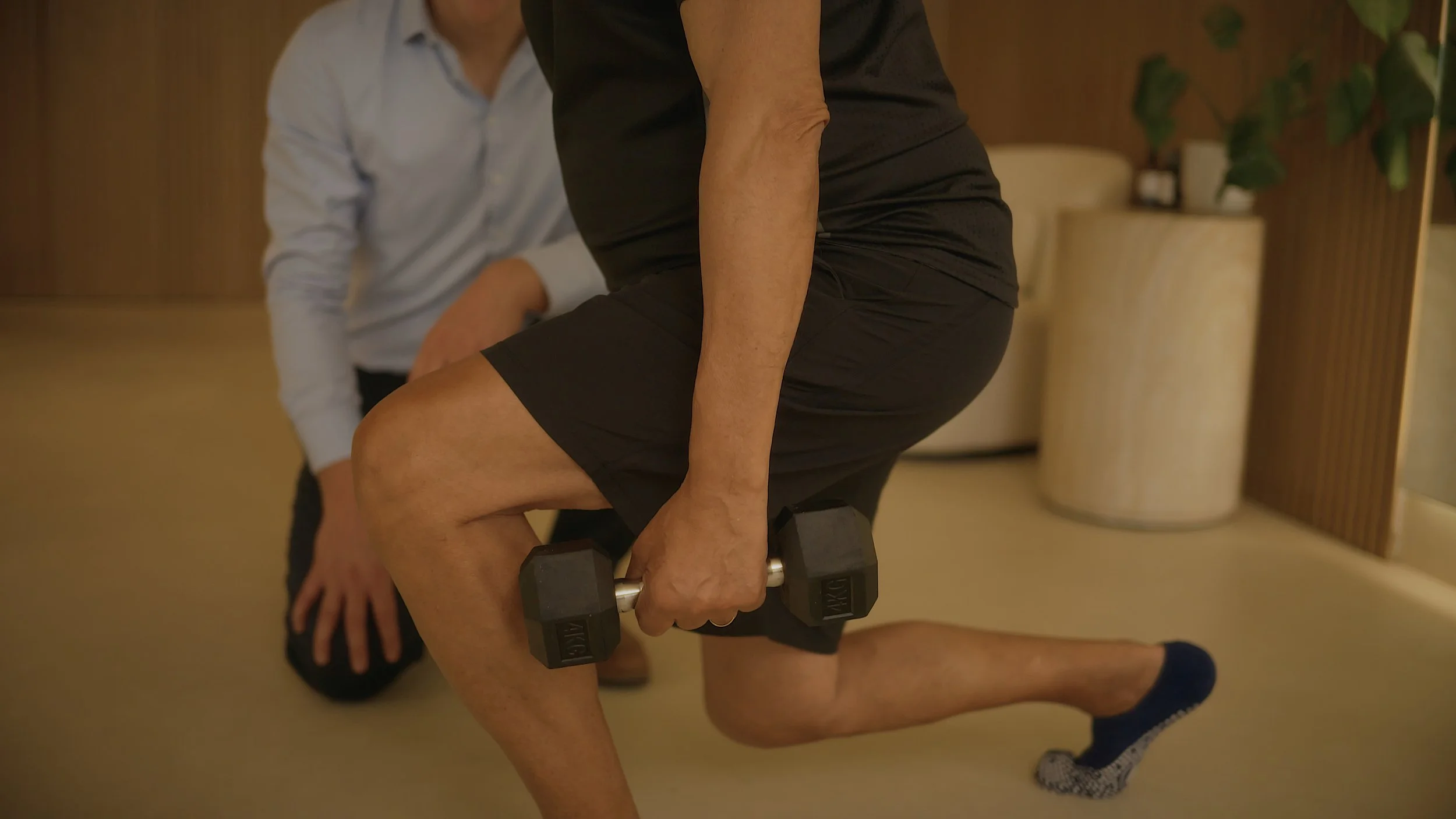
Individualised, physio-led exercise program using mat or equipment-based Pilates
Safe, progressive loading to build strength and movement confidence
Education on posture, breathing, and movement efficiency
Integration with broader rehabilitation or return-to-activity goals

Get In Touch
We’re here to help
If you're ready to book, use the link below. If you'd prefer to ask a question first, or you're not sure whether physiotherapy is right for your situation, feel free to get in touch - we're happy to help you figure out the best path forward.
Atlas Physiotherapy is located in Leichhardt, easily accessible from across Sydney's Inner West, including Annandale, Balmain, Petersham, Stanmore, Newtown, and Glebe.